
Travel hype radar
Travel without following the herd.
Antigramer tracks algorithmic travel hype and suggests quieter, equally interesting alternatives. A map of where everyone is going — and where you might go instead.
Live map
Where the crowds are going
Layers
Region
Instead of X, try Y
Direct alternatives
Same type of experience. Fewer people. Different calculation.
Instead of
Kyoto
Japan
Try
Kanazawa
Japan
Kanazawa offers the same core combination that draws people to Kyoto — historic districts, gardens, craft, food culture, and traditional architecture — with a fraction of the international visitor pressure. The Higashi Chaya geisha district, Kenrokuen Garden, and the samurai neighbourhoods provide a comparable depth of experience.
Instead of
Petra
Jordan
Try
Wadi Rum
Jordan
Wadi Rum offers the extreme landscape drama of southern Jordan — just desert rather than carved city. Most Jordan itineraries do both; Wadi Rum deserves to be the longer stay.
Instead of
Mykonos
Greece
Try
Naxos
Greece
Naxos has longer beaches, better food, a medieval town, and costs a fraction of Mykonos — with ferries from Mykonos making it a direct swap.
Instead of
Lofoten
Norway
Try
Senja
Norway
Senja has the same combination of jagged mountain peaks, small fishing villages, and dramatic sea-meets-cliff landscape that Lofoten made famous — with a fraction of the visitors. Norwegians describe it as a miniature Lofoten. The northern lights and midnight sun are equally good.
Algorithmic heat
Most overexposed destinations

Venice
Historic City · Italy
The most-visited city per square metre on earth, now actively discouraging day visitors with entry fees.
Best window: November to January — fog, empty streets, acqua alta adds atmosphere rather than chaos
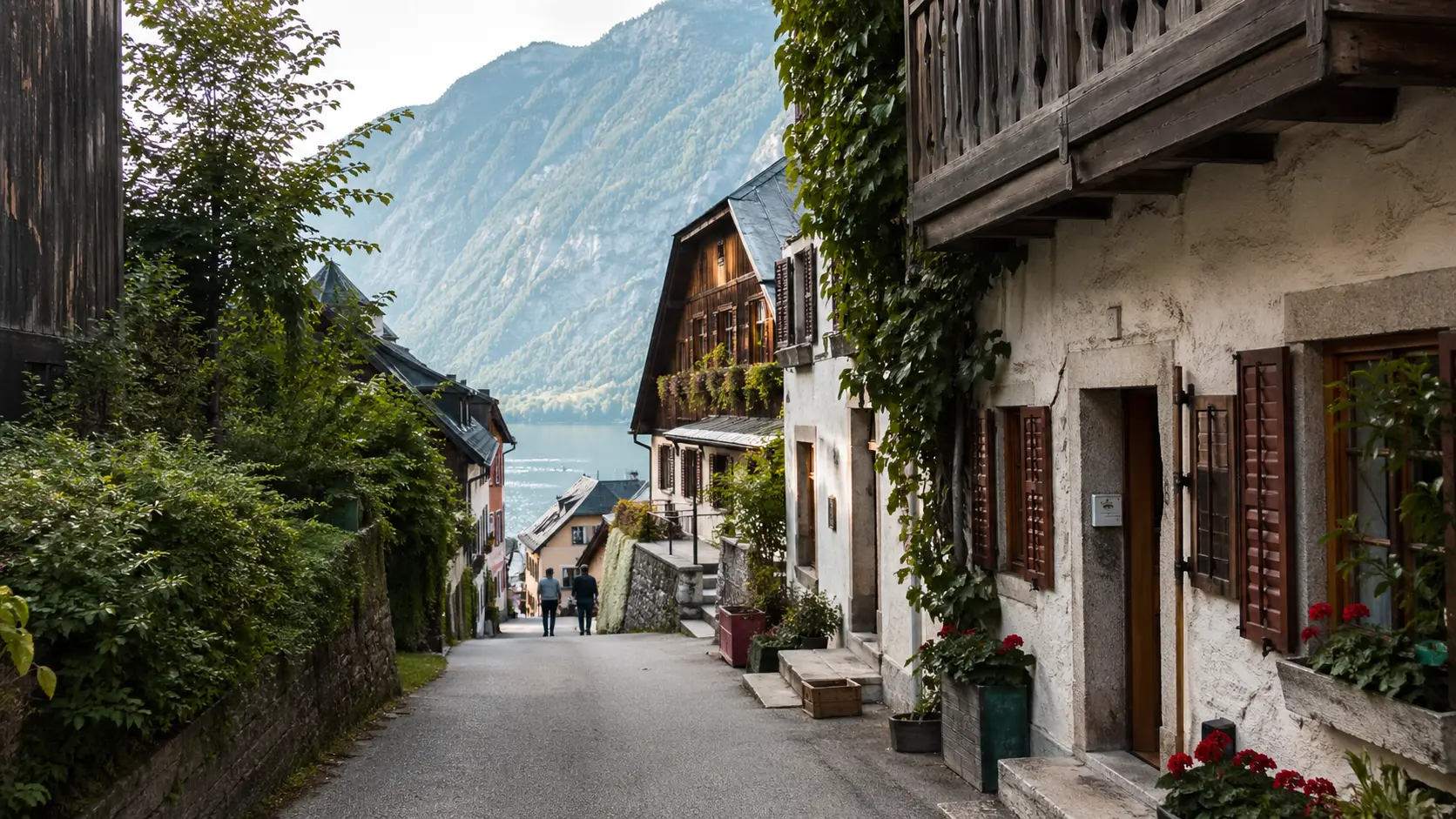
Hallstatt
Lake Village · Austria
The world's most photographed village, receiving more than a thousand visitors per resident annually.
Best window: Winter (December-March) when there are far fewer visitors; late autumn

Kyoto
Historic City · Japan
Japan's temple capital and one of the clearest examples of algorithmic overtourism in Asia.
Best window: Winter (December-February), or weekdays outside cherry blossom and autumn foliage seasons

Cinque Terre
Coastal Villages · Italy
Five beautiful villages that have been photographed into a permanent waiting room of their own popularity.
Best window: May or late September-early October
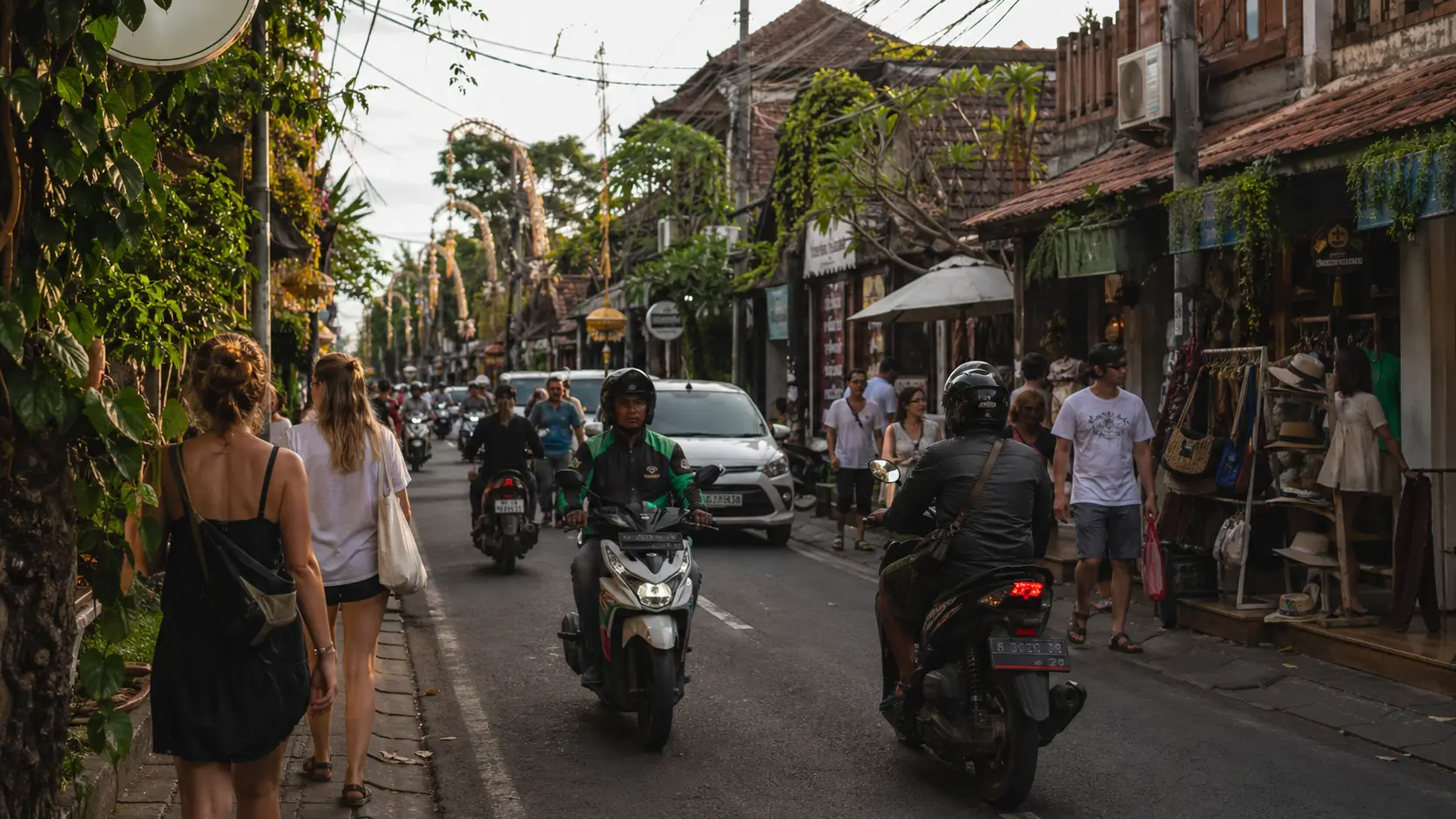
Bali
Island · Indonesia
Still beautiful, still distinct — but heavily overexposed in its most famous areas.
Best window: Shoulder seasons (April-May, September-October) to avoid peak crowds

Mykonos
Island · Greece
Greece's most expensive island — still beautiful beneath the party economy that has colonised it.
Best window: May and late September — shoulder season when prices drop and crowds thin
Better options
Fresh air alternatives

Choquequirao
Archaeological Site · Peru
A Machu Picchu-scale Inca citadel that requires two days of trekking to reach — and has almost no visitors.
Tradeoff: Requires real fitness and 4-8 days round trip.

Dana Biosphere Reserve
Nature Reserve · Jordan
Jordan's largest nature reserve and the country's best hiking — almost entirely overlooked in the rush between Petra and Wadi Rum.
Tradeoff: Limited accommodation and infrastructure.
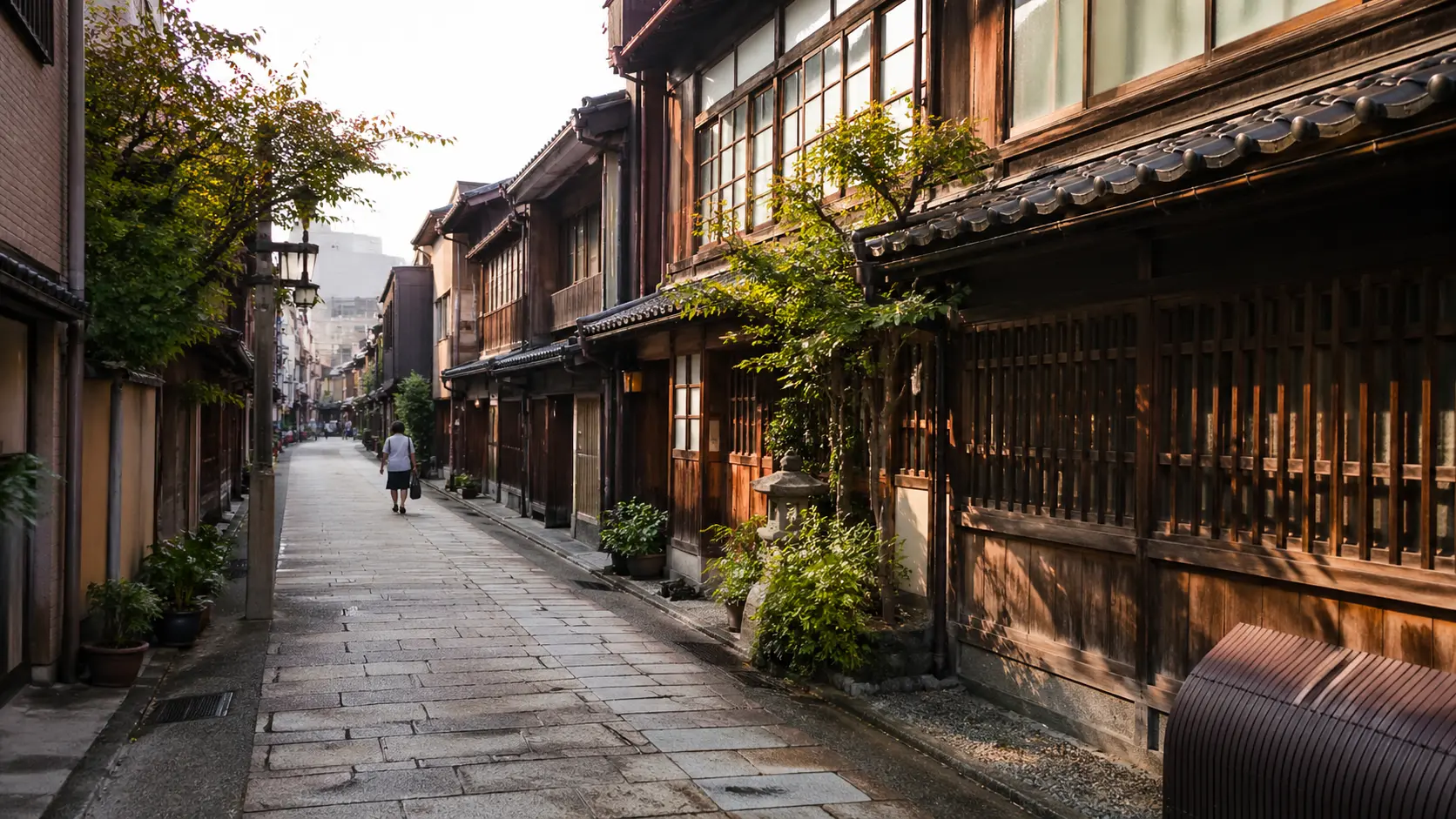
Kanazawa
Historic City · Japan
A strong Kyoto alternative with gardens, craft, old districts, and considerably more breathing room.
Tradeoff: Fewer major temple complexes than Kyoto.

Folegandros
Island · Greece
A small, clifftop Cycladic island that takes effort to reach and rewards that effort with the Greece the postcards promise.
Tradeoff: Very limited accommodation means advance booking is essential in summer.

Syros
Island · Greece
The real capital of the Cyclades: neoclassical architecture, an opera house, Cycladic whitewash, and very few posing tourists.
Tradeoff: Less dramatic caldera scenery than Santorini.
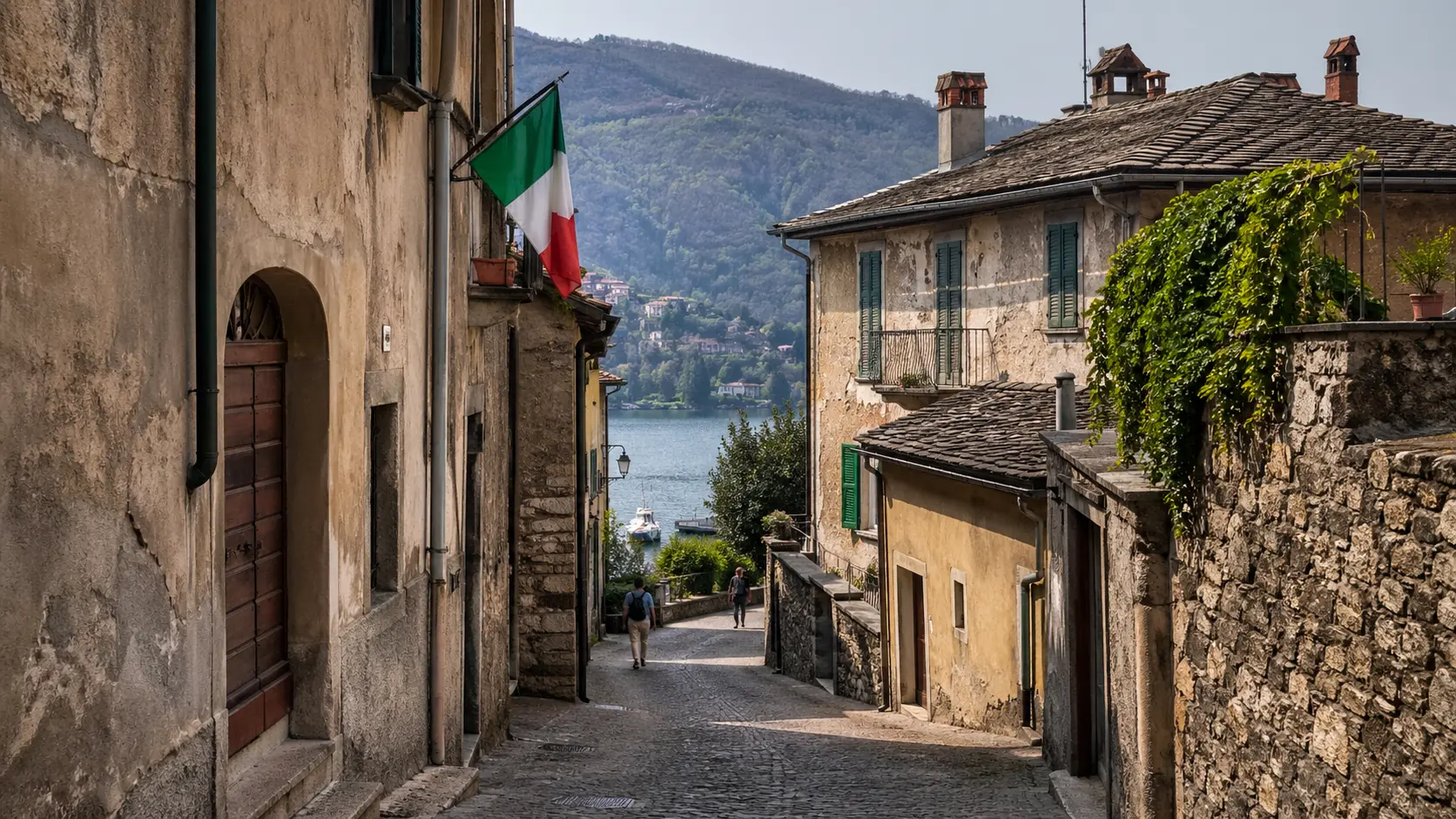
Lake Orta
Lake District · Italy
The lake Como used to be: a small, romantic, perfectly preserved medieval lakeside town with an island monastery and no celebrity circus.
Tradeoff: Smaller than Como with less variety.
How it works
The Antigram Heat Score
Each destination gets a Heat Score from 0 to 100 based on a combination of search trend growth, social media velocity, travel media mentions, Google Places review volume, video platform mentions, and seasonal pressure.
This is not a precise count of visitors. It is an estimate of algorithmic exposure — how much a destination is being pushed by search engines, social platforms, and travel media relative to its capacity.
0-20
Quiet
21-40
Warming Up
41-60
Popular
61-80
Very Hot
81-100
Overexposed